
Chamber Advocacy Leads to Removal of Proposed Energy Excise Tax Line Item
Date postedDecember 3, 2025
Chamber Advocacy Leads to Removal of Proposed Energy Excise Tax Line Item
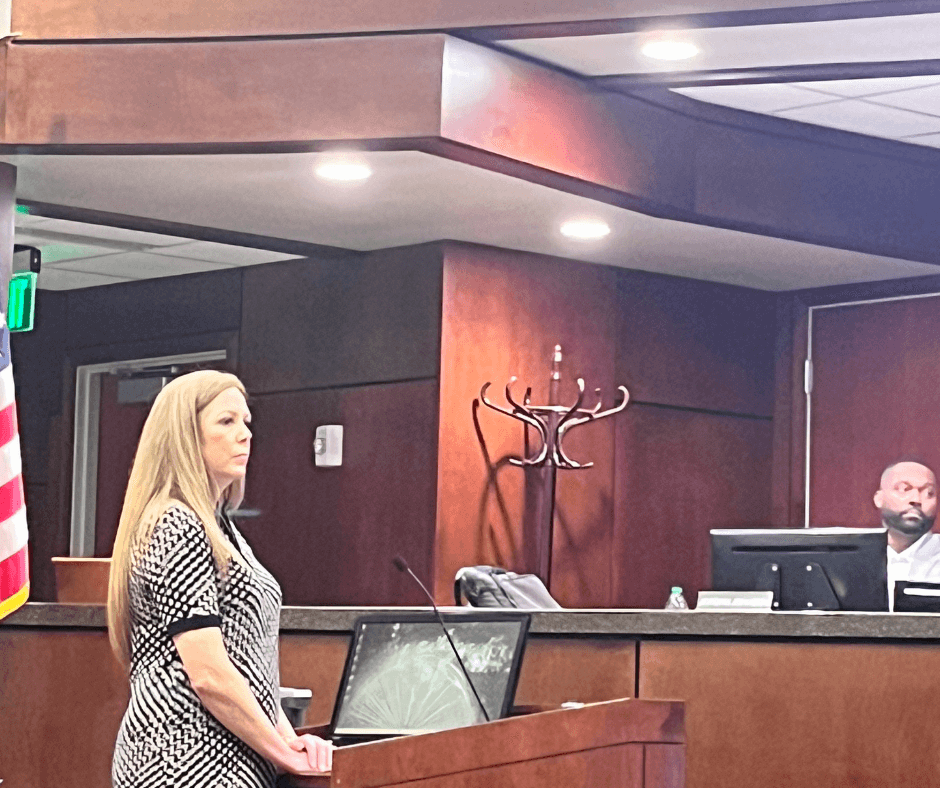 At the November 25th Augusta Commission Budget Meeting, the Augusta Metro Chamber of Commerce played a central role in advocating against the proposed implementation of an energy excise tax on Richmond County manufacturers. After hearing remarks from Chamber President & CEO Angie Cox, commissioners reached unanimous consensus to remove the excise tax revenue line item from the 2026 budget proposal.
At the November 25th Augusta Commission Budget Meeting, the Augusta Metro Chamber of Commerce played a central role in advocating against the proposed implementation of an energy excise tax on Richmond County manufacturers. After hearing remarks from Chamber President & CEO Angie Cox, commissioners reached unanimous consensus to remove the excise tax revenue line item from the 2026 budget proposal.The Chamber’s position emphasized the importance of accurate data, collaboration with regional partners, and the significant economic impact of manufacturing in Augusta-Richmond County.
Why the Chamber Spoke Out
Representing more than 1,000 businesses across the region, the Chamber serves as the voice of the business community on local, state, and federal issues. During her comments, the Chamber’s president acknowledged the Commission’s responsibility in balancing the 2026 budget and the difficult decisions involved. She encouraged Commissioners to rely on information and insights from organizations directly involved in 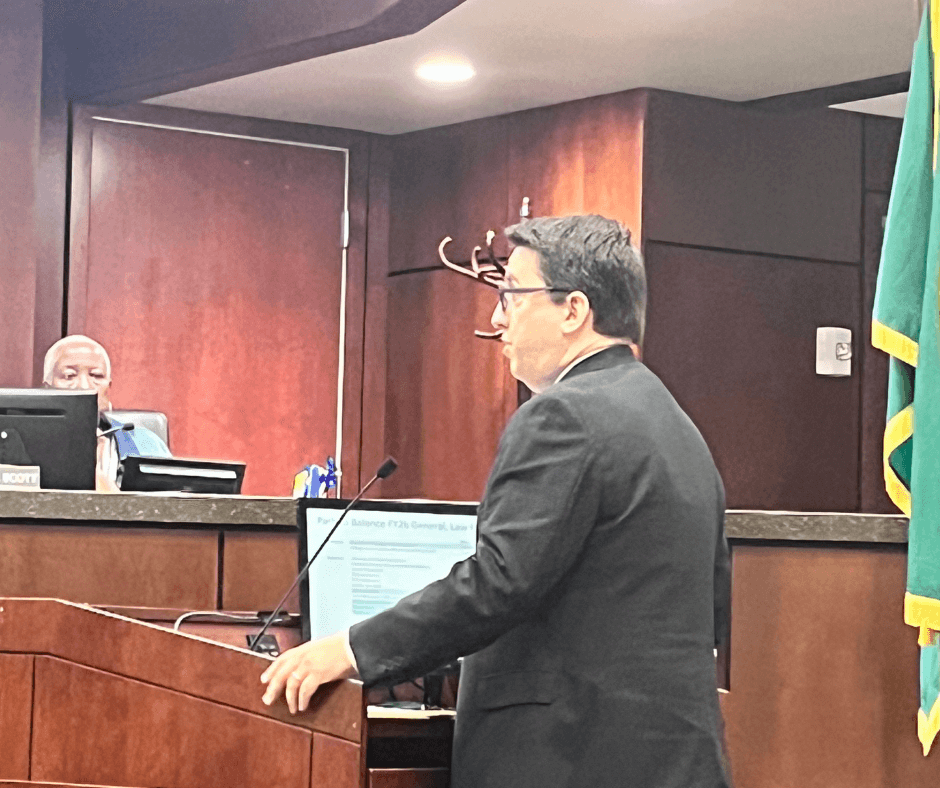 economic development and manufacturing.
economic development and manufacturing.To ensure the discussion was rooted in accurate information, the Chamber partnered with the Augusta Economic Development Authority (AEDA), whose team compiled critical data used in the presentation. The Chamber also invited Clay Jones, Vice President & General Counsel of the Georgia Association of Manufacturers, to attend the meeting and provide statewide industry context following the Chamber’s remarks.
Economic Impact: Manufacturing in Richmond County
The presentation highlighted several industry facts that underscore why maintaining tax-exempt energy use is vital to the region’s economic competitiveness:
-
8,000+ manufacturing jobs exist in Augusta-Richmond County
-
The average annual wage is $74,689, about 140% of Augusta’s median household income
-
Manufacturing represents some of the highest-paying and most stable jobs in the region
-
Since the Commission last voted to keep energy tax-free in 2014, Augusta has gained nearly 1,200 jobs and more than $1.5 billion in investment from expansions and new projects
-
Major employers—including Textron Specialized Vehicles (E-Z-GO), Aurubis, Starbucks, PureCycle, and Synesqo—identified energy cost competitiveness as a key factor in their location and expansion decisions
Angie also submitted testimonials from Textron Specialized Vehicles and Aurubis, including a letter noting that additional energy costs would directly affect future expansion plans.
Correcting Key Misconceptions
Angie's remarks addressed several misconceptions surrounding the proposed tax:
-
“Manufacturing jobs are low wage.”
In reality, manufacturing wages exceed those of many other local sectors, including health care. -
“Manufacturers can easily absorb an energy tax.”
Energy is among the highest operational costs in manufacturing. Even small increases can affect viability and long-term investment decisions. -
“An excise tax is widely adopted in Georgia.”
Out of 159 counties in Georgia, 113 have not implemented an energy excise tax. Counties that opt out do so to remain competitive in attracting and retaining manufacturers.
A Competitive Advantage for Augusta
It was highlighted that Augusta’s earlier decision — an 8–0 Commission vote on October 7, 2014 — to maintain tax-exempt energy use has been instrumental in securing expansions and new investment over the last decade.
According to AEDA leadership, much of Augusta’s industrial growth would not have occurred if an energy excise tax had been in place. With manufacturing projects often decided by razor-thin margins, increased energy costs can eliminate Augusta from consideration.
Outcome: Unanimous Consensus to Remove the Line Item
After hearing the Chamber’s testimony, reviewing the supporting data prepared in partnership with AEDA, and receiving additional input from the Georgia Association of Manufacturers, the Augusta Commission reached unanimous consensus to remove the energy excise tax line item from the 2026 budget proposal.
Although the discussion did not require a formal vote, the clear consensus ensures the tax will not move forward in the upcoming budget.
Acknowledgments
The Chamber extends sincere appreciation to:
-
The Augusta Economic Development Authority for providing data and analysis
-
Clay Jones, Georgia Association of Manufacturers, for statewide context and industry insights
-
Local manufacturers who provided testimonials and representatives who attended the meeting
-
The Augusta Commission for its careful consideration of the issue
Looking Ahead
The Chamber remains committed to advocating for policies that support job creation, protect existing industry, and strengthen Augusta’s competitiveness. Maintaining a stable and favorable environment for manufacturers helps secure high-quality jobs, attract investment, and sustain economic growth for the county.
Watch the video from the meeting and Angie’s remarks.